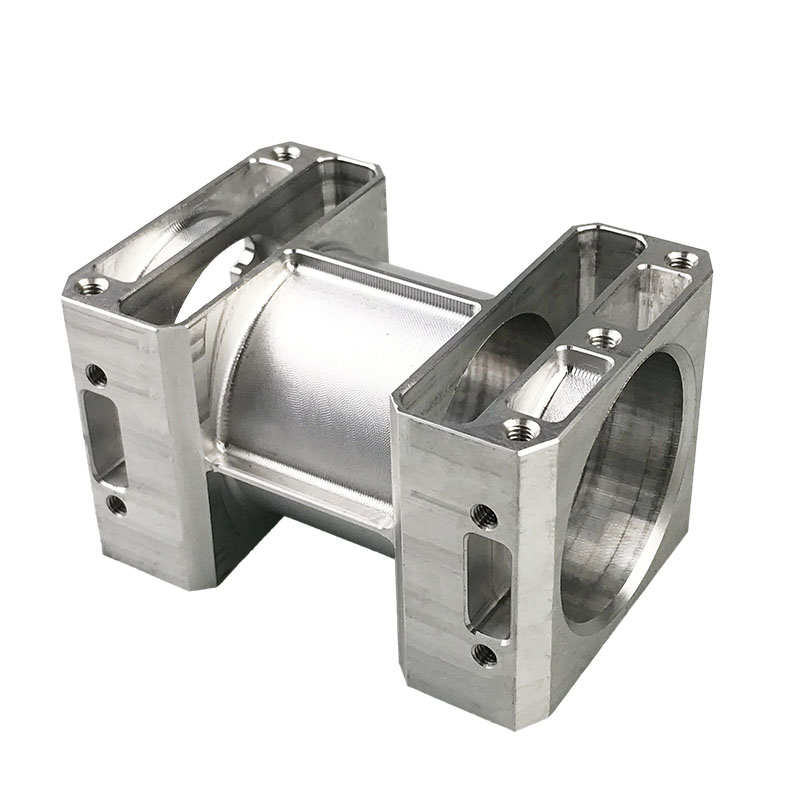
How Wall Thickness Affects CNC Machined Metal Prototypes
Introduction
Wall thickness is a critical variable in the design of CNC machined metal prototypes. It affects everything from mechanical strength to risk of deformation and even the selection of machining strategy. Effective rapid prototyping, precision cnc machining, and a reliable cnc machining service all hinge on making the right decisions about wall thickness.
Thin Walls in Machining — Deformation, Vibration, and Stability
When it comes to aluminum cnc machining, thin walls are especially prone to deformation under cutting forces. Machining aluminum parts with thin sections often leads to vibration and surface waviness, making quality control challenging. Nevertheless, when done right, an aluminum prototype with thin walls allows for ultra-lightweight, high-performance designs that benefit from CNC’s iteration speed.
Thick Walls — Increased Strength, Higher Machining Demands
Thicker walls naturally increase part rigidity and resistance to bending, but they also create their own challenges. Custom metal parts with thick sections tend to dissipate heat less effectively and require more cutting power. Creating a precise cnc prototype with thick walls calls for careful planning and advanced precision cnc machining to maintain both tolerances and surface quality.
Complex Features + Wall Thickness Interactions
Complex geometries combined with variable wall thickness put extra demands on both designer and manufacturer. This is where 5-axis cnc machining and custom cnc machining excel—allowing precise tool paths that support thin and thick features in a single setup. For teams practicing rapid prototyping, optimizing wall thickness across complex forms maximizes both performance and manufacturability.
Wall Thickness and Tolerance Stability
Maintaining tight tolerance becomes significantly more difficult as wall thickness changes, especially in prototypes subject to high thermal or mechanical loads. Selecting the right cnc machining service ensures consistent results, while repeatable custom metal parts fabrication means that each version of a part meets both dimensional and functional requirements.
Conclusion — Wall Thickness as a Driver of Prototype Performance and Iteration
Ultimately, thoughtful wall thickness design is crucial for rapid prototyping. By partnering with a skilled cnc machining service and leveraging the strengths of precision cnc machining and aluminum cnc machining, engineers can ensure reliable, high-quality prototype manufacturing. The ability to balance strength, weight, and tolerance delivers superior CNC prototypes and streamlines the development process.
SEO关键词(Tag): rapid prototyping, cnc machining service, precision cnc machining, custom metal parts, aluminum cnc machining, aluminum prototype, cnc prototype, tight tolerance, 5-axis cnc machining, machining aluminum parts, prototype manufacturing, custom cnc machining, wall thickness, thin wall, thick wall, feature stability, deformation, vibration, strength, heat management, design optimization, part rigidity, surface quality, tolerance control, complex geometry, multi-axis machining, lightweight design, iterative prototyping, manufacturing efficiency, CNC setup, validation, stress distribution, feature integration, metal fabrication, component testing, prototype consistency, development speed, tool path, quality control, process reliability, engineering design.
READ MORE: