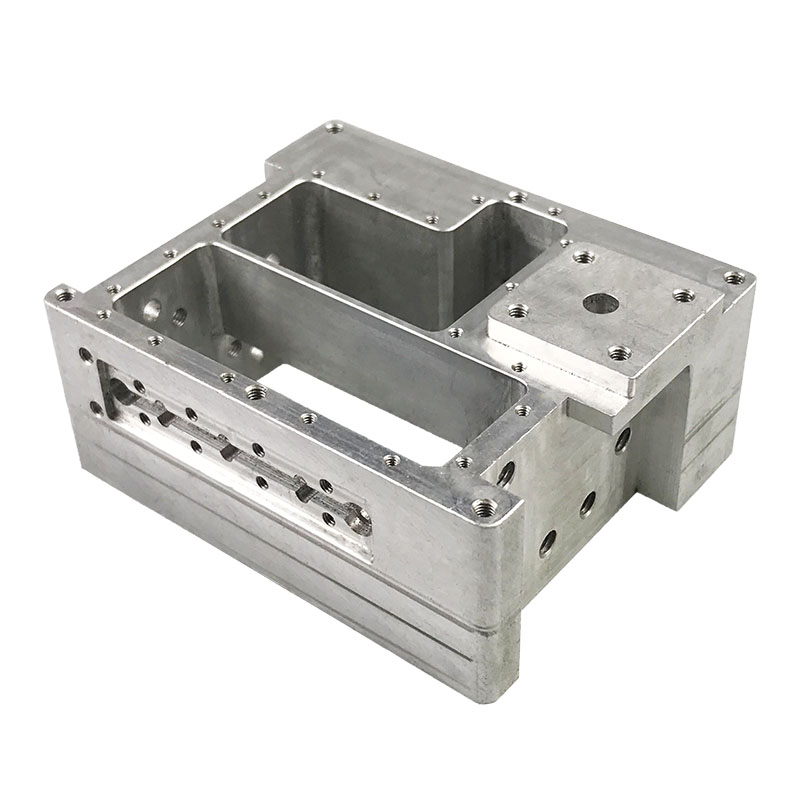
Aluminum Prototype Housing for Robotics and Automation
Introduction — Why Robotics Systems Rely on Aluminum Prototype Housings
In robotics and automation, the aluminum prototype housing is essential for achieving the required strength, heat dissipation, lightweight construction, and precise assembly. Rapid prototyping with aluminum ensures that every detail meets exact standards, and a professional cnc machining service is critical for delivering components with the reliability needed for demanding robotic applications.
Aluminum Housing Advantages — Thermal Management, Weight, and Machinability
Aluminum cnc machining makes it possible to create housings that manage heat from joints, motors, and drive systems efficiently. The ease of machining aluminum parts with high precision reduces development cycles and provides superior surface finishes. Using precision cnc machining, even complex designs can be realized quickly and cost-effectively for robotics housings.
Functional Features — Mounting Holes, Sensor Windows, and Custom Interfaces
Robotics housings demand a high degree of customization: mounting holes, sensor windows, and structural brackets are all typical. Each component must be produced as custom metal parts, often as a unique cnc prototype. This level of complexity requires custom cnc machining to ensure every function is integrated accurately and reliably.
Multi-Surface Structures — Complex Shapes, Deep Cavities, and Curved Surfaces
Many robotic enclosures include multi-surface or deep-cavity designs, making 5-axis cnc machining invaluable. These technologies enable precise machining on multiple surfaces in one setup, dramatically improving accuracy and efficiency. Precision cnc machining and rapid prototyping together ensure that all features align and perform perfectly.
Assembly Fit — Tolerance, Fit, and Rigidity for Robotic Reliability
For robotics, tight tolerance and excellent fit are crucial. Housings must integrate with motors, PCBs, and sensors, making dimensional stability a top priority. A dependable cnc machining service and advanced process control guarantee that custom metal parts fit together seamlessly, providing the rigidity needed for reliable operation.
Conclusion — CNC Machining Drives Performance and Longevity for Robotics Housings
In summary, integrating rapid prototyping, cnc machining service, precision cnc machining, and aluminum cnc machining throughout prototype manufacturing ensures that robotic housings offer outstanding performance and durability. The right process delivers not only a robust structure but also the high-quality fit and finish essential for advanced robotics.
Strongly Associated SEO Keywords (for internal linking):
- rapid prototyping
- aluminum cnc machining
- cnc machining service
- precision cnc machining
- custom metal parts
- aluminum prototype
- cnc prototype
- tight tolerance
- 5-axis cnc machining
- machining aluminum parts
- prototype manufacturing
- custom cnc machining
- cnc rapid prototyping
- low volume cnc machining
- aluminum part design
- prototype validation
- cnc machining quality
- cost-effective prototyping
- cnc prototyping benefits
- high precision cnc machining
- aluminum surface finishing
- advanced prototype manufacturing
- product development
- design for manufacturability
- functional prototype
- cnc manufacturing process
- engineering prototype
- prototype testing
- dimensional accuracy
- iterative prototyping
- quick-turn prototyping
- manufacturing lead time
- surface treatment options
- heat dissipation parts
- complex geometry machining
- structural prototype
- assembly validation
- high tolerance prototype
- rapid prototype machining
- CNC design optimization
READ MORE: