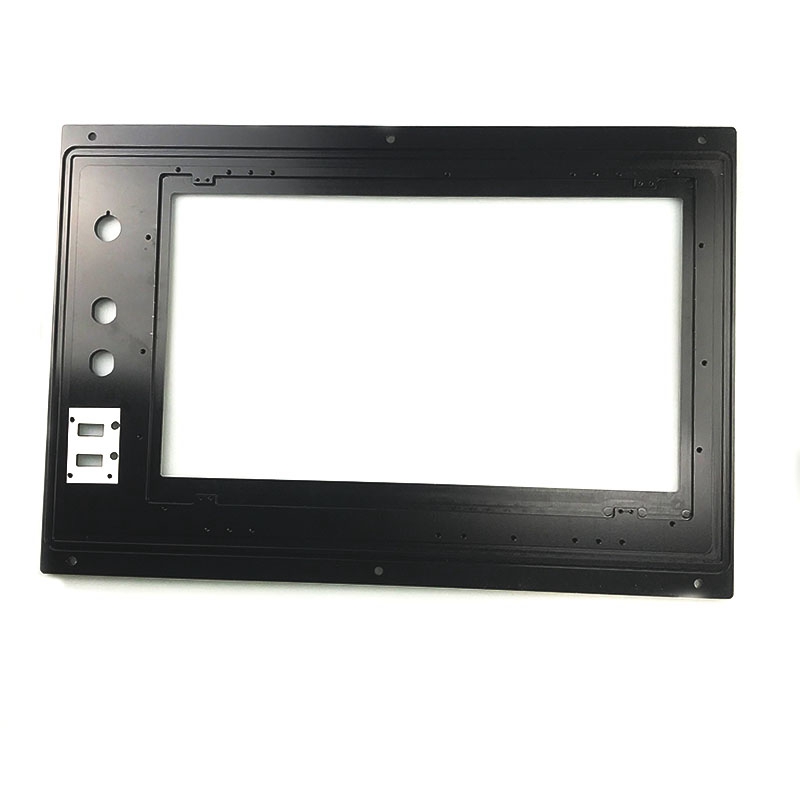
Aluminum vs Magnesium: Which Is Better for Prototyping?
Introduction — Why Aluminum and Magnesium Are Popular for Prototyping
In rapid prototyping, both aluminum and magnesium are frequently chosen materials for cnc machining service providers. Each material is used to create a high-quality aluminum prototype or magnesium part, but their characteristics differ significantly, impacting everything from performance to manufacturability.
Aluminum for Prototyping — Easy Machining, Stability, and Precision
Aluminum stands out for its excellent machinability and dimensional stability. Aluminum cnc machining provides reliable, repeatable results for machining aluminum parts, making it ideal for applications that require tight tolerances and complex geometries. With precision cnc machining, aluminum delivers a superior surface finish and strong structural performance, which is why it’s the default choice for many high-end prototypes.
Magnesium for Prototyping — Ultra-Lightweight but Challenging to Machine
Magnesium is prized for being one of the lightest structural metals, making it perfect for applications where weight savings are critical. However, it is less stable and poses machining challenges due to its flammability and lower ductility. Producing custom metal parts or a functional cnc prototype from magnesium requires custom cnc machining expertise, additional safety measures, and careful control of the machining environment.
Complex Geometries — Material Performance in Multi-Axis Machining
Complex prototypes often require advanced multi-surface processing. Here, 5-axis cnc machining shines, especially for intricate details and deep cavities. Both materials benefit from precision cnc machining and rapid prototyping, but aluminum’s machinability typically allows for smoother finishes and higher dimensional accuracy, while magnesium may require more specialized setups.
Tolerance, Strength & Application Fit — How to Choose Between Aluminum and Magnesium
When tight tolerance, assembly fit, and long-term structural strength are essential, aluminum usually leads. It integrates well with most cnc machining service workflows and remains dimensionally stable through finishing steps. Magnesium, while lighter, may need more frequent inspection and is often chosen for custom metal parts in highly weight-sensitive projects, where strength tradeoffs are acceptable.
Conclusion — Aluminum vs Magnesium: Making the Right Choice for Prototyping
Ultimately, the choice between aluminum and magnesium for rapid prototyping depends on the priorities of your project. Aluminum, supported by precision cnc machining, aluminum cnc machining, and a skilled cnc machining service, is the go-to for most prototype manufacturing needs. Magnesium remains a niche but valuable option when ultra-lightweight performance justifies the extra manufacturing complexity.
Strongly Associated SEO Keywords (for internal linking):
- rapid prototyping
- aluminum cnc machining
- cnc machining service
- precision cnc machining
- custom metal parts
- aluminum prototype
- cnc prototype
- tight tolerance
- 5-axis cnc machining
- machining aluminum parts
- prototype manufacturing
- custom cnc machining
- cnc rapid prototyping
- low volume cnc machining
- aluminum part design
- prototype validation
- cnc machining quality
- cost-effective prototyping
- cnc prototyping benefits
- high precision cnc machining
- aluminum surface finishing
- advanced prototype manufacturing
- product development
- design for manufacturability
- functional prototype
- cnc manufacturing process
- engineering prototype
- prototype testing
- dimensional accuracy
- iterative prototyping
- quick-turn prototyping
- manufacturing lead time
- surface treatment options
- heat dissipation parts
- complex geometry machining
- structural prototype
- assembly validation
- high tolerance prototype
- rapid prototype machining
- CNC design optimization
READ MORE: