Surface defects are among the most overlooked issues in CNC prototyping. This article unpacks the key causes—tool wear, material behavior, fixturing, and excessive tolerance demands—while offering actionable strategies for improving surface quality. Achieve higher standards in rapid prototyping and precision cnc machining with these best practices.
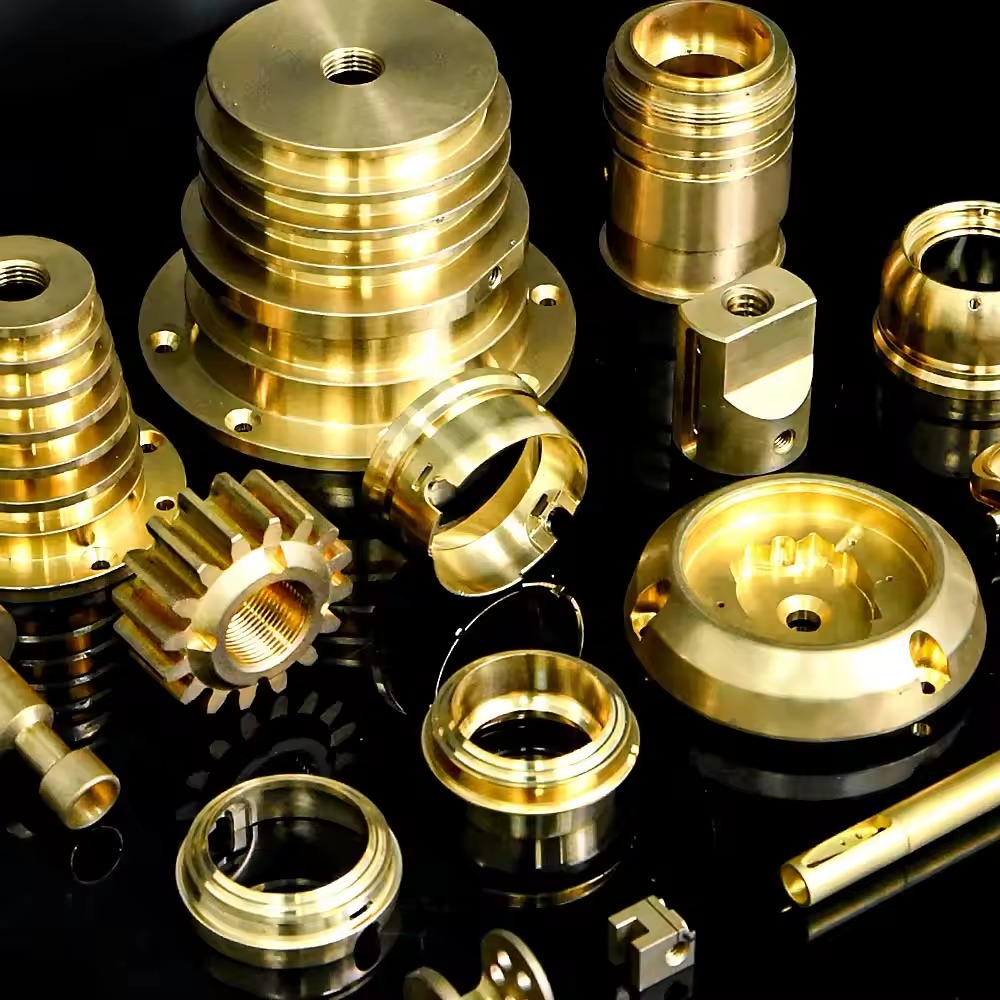
What Causes Surface Defects in CNC Machining?
Introduction — Surface Defects Are Common but Often Overlooked in CNC Prototyping
Surface quality is a critical indicator of both aesthetics and functional performance. In rapid prototyping, even minor defects can impact part validation. Ensuring a flawless finish requires the right approach to precision cnc machining and working with a skilled cnc machining service.
Cause #1 — Tool Wear, Edge Breakage, and Built-Up Edge Formation
Most visible surface scratches, tool marks, and burrs stem from improper or worn tools. In machining aluminum parts, always inspect cutting edges and use fresh tooling for each aluminum prototype and run of custom metal parts to minimize visible defects.
Cause #2 — Material Characteristics (Aluminum’s Propensity for Tool Marks)
Aluminum cnc machining is highly sensitive to thermal effects and cutting speed. Aluminum’s softness and high thermal conductivity make cnc prototypes prone to drag marks and chatter if tool paths or feeds are not optimized. Custom cnc machining should always consider these material-specific traits.
Cause #3 — Improper Clamping, Vibration, and Suboptimal Angles
Poor workholding and excessive vibration create surface ripples and non-uniform finishes. Leveraging 5-axis cnc machining reduces part flipping, minimizes vibration, and increases consistency. Such strategies are central to both precision cnc machining and reliable rapid prototyping.
Cause #4 — Excessive Tolerance Requirements Leading to Overcutting
When tight tolerance is required, repeated finish passes can actually damage the surface with tool marks or step lines. For any cnc machining service working on custom metal parts, clarify which dimensions truly require the highest precision.
Conclusion — Stable Processes, Sharp Tools, and Multi-Axis Approaches Yield High-Quality Surfaces
Consistently superior results in rapid prototyping come from a balanced combination of advanced aluminum cnc machining, modern tool management, and process stability. Collaborate closely with your cnc machining service to ensure best-in-class finishes in prototype manufacturing and precision cnc machining.
READ MORE: