Rapid CNC prototyping enables engineers to quickly produce high-precision prototypes for evaluation and testing. This article provides an in-depth guide on DFM, tight tolerance, and machining logic, illustrating how CNC machining service is used for rapid prototyping of both aluminum and custom metal parts, ensuring readiness for mass production.
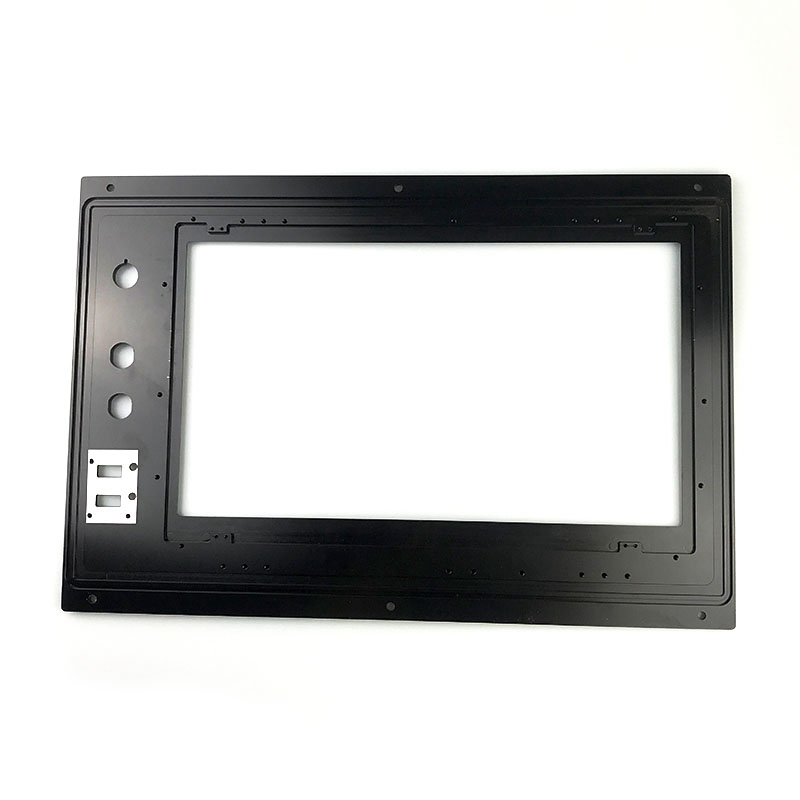
What Is Rapid CNC Prototyping? A Complete Engineer’s Introduction
As manufacturing engineers at BERGEK, we often help clients bridge the gap between digital concepts and physical prototypes using rapid CNC prototyping. This article explains the entire process from an engineering perspective—covering practical workflow, design for manufacturability (DFM), and precision control—so you can understand what to expect and how to achieve optimal results.
Understanding Rapid Prototyping with CNC Machining
Rapid prototyping means producing physical parts quickly for testing and validation. At BERGEK, we use CNC machining for prototypes because it offers unmatched precision and repeatability, especially for custom metal parts and aluminum prototypes.
- Why Choose CNC Machining for Rapid Prototyping?
- Tight Tolerance and Repeatability: Our CNC machining service routinely achieves tolerances within ±0.01mm for complex parts, which is essential for functional evaluation and assembly testing.
- Material Versatility: We work with a range of metals and plastics, from aluminum 6061 and 7075 to stainless steel and engineering polymers, depending on project needs.
- Speed and Flexibility: Our in-house engineers program and set up machines for rapid prototyping, reducing lead times and allowing for quick design iteration.
How We Handle DFM and Precision Control
- Early Engineering Review: Every new project at BERGEK starts with a DFM analysis. Our team examines CAD models for machinability, recommends feature adjustments (like minimum wall thickness or fillet radii), and discusses optimal tolerancing to balance cost and function.
- Machining Logic and Toolpath Strategy: We use both 3-axis and 5-axis CNC machines. For complex geometries, 5-axis cnc machining lets us finish parts in a single setup, improving accuracy and reducing secondary operations.
- Typical Workflow:
- Engineering review and DFM feedback.
- CAM programming and process simulation.
- Raw material prep and fixturing.
- CNC prototype machining.
- Quality inspection—using CMM and optical measurement tools.
- Finishing as required (bead blasting, anodizing, etc.).
Case Study: Machining Aluminum Prototypes
Recently, a client in the automation industry required a series of high-precision aluminum prototypes for a custom assembly. Our process involved:
- Reviewing the part drawings and identifying features that needed tighter tolerance.
- Suggesting modifications for efficient fixturing and tool access.
- Running a first-article inspection after machining the initial prototype.
- Delivering finished parts within four days—ready for real-world assembly testing.
What to Expect When Working with BERGEK
- Direct Engineering Support: You’ll interact directly with our CNC engineers throughout the process. We provide technical recommendations on DFM, material selection, and surface finishes to ensure your prototype meets its performance targets.
- Transparent Quality Control: We share inspection data and can adapt to your industry standards, whether that’s ISO, ASTM, or custom requirements.
Let’s Move Your Project Forward
If you have a CAD model ready or want to discuss the best way to prototype a new design, contact BERGEK’s engineering team. We’re ready to provide technical review, detailed manufacturing feedback, and rapid quotes—so your next custom part moves from concept to reality without delay.
Tags: rapid prototyping, cnc machining service, precision cnc machining, custom metal parts, aluminum cnc machining, prototype manufacturing, tight tolerance, 5-axis cnc machining
READ MORE: