How Material Properties Affect Rapid CNC Prototype Performance
Introduction
In rapid prototyping, the performance of a CNC prototype is closely tied to the underlying material properties. Factors such as strength, hardness, and thermal conductivity directly impact the prototype’s real-world behavior. That’s why precision cnc machining, combined with a reliable cnc machining service, is essential for accurately validating these material-dependent characteristics.
Material Property #1 — Strength and Stiffness Drive Performance
For custom metal parts, material strength and stiffness play a decisive role in determining the effectiveness of structural components. A well-chosen material will help ensure that a cnc prototype meets the intended load-bearing and performance requirements. These differences in strength and stiffness directly influence how well a material can maintain tight tolerance during machining.
Material Property #2 — Machinability Impacts Feature Precision
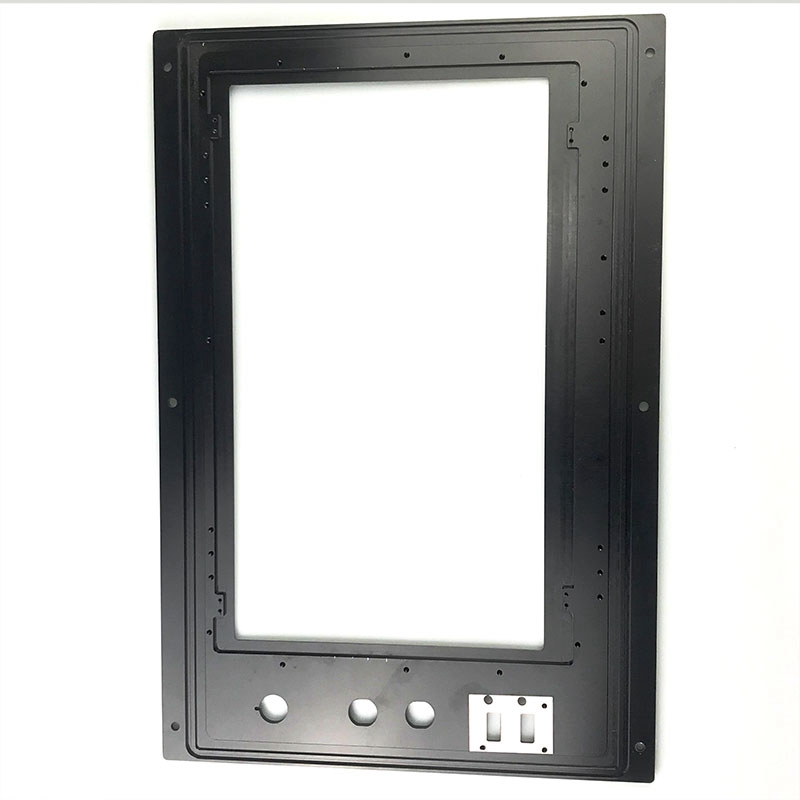
Aluminum is widely favored for aluminum cnc machining because of its superior machinability. Machining aluminum parts is faster, more stable, and generates a surface finish that is ideal for iterative testing. The resulting aluminum prototype allows engineers to rapidly refine designs and achieve precise details that might be challenging with less cooperative metals.
Material Property #3 — Complex Structures and Material Response (Multi-Axis Machining)
Prototypes featuring complex angles, deep cavities, or curved surfaces push both material properties and CNC equipment to the limit. That’s where 5-axis cnc machining and custom cnc machining come into play, ensuring that even the most demanding designs are possible. With the support of precision cnc machining, engineers can predict and control how materials will respond to intricate tool paths and forces.
How Material Properties Impact Validation Cycles
Material properties don’t just affect a prototype’s performance—they also shape the entire validation process. Rapid prototyping cycles benefit from predictable behavior, and a dependable cnc machining service makes it possible to consistently produce custom metal parts for each iteration. This enables faster feedback and improved reliability throughout the development process.
Conclusion — Aligning Material Properties and CNC for Superior Prototypes
The synergy between rapid prototyping, cnc machining service, and precision cnc machining is the foundation of high-quality prototypes. Selecting the right material and leveraging advanced aluminum cnc machining guarantees that performance meets expectations, from initial concept to full prototype manufacturing. In today’s fast-moving development world, understanding material behavior is essential to achieving real-world results.
SEO关键词(Tag): rapid prototyping, cnc machining service, precision cnc machining, custom metal parts, aluminum cnc machining, aluminum prototype, cnc prototype, tight tolerance, 5-axis cnc machining, machining aluminum parts, prototype manufacturing, custom cnc machining, engineering prototype, machinability, feature precision, structural validation, iterative prototyping, development cycle, high strength materials, complex geometry, advanced prototyping, design verification, multi-axis machining, aluminum material, steel prototype, material testing, fast manufacturing, engineering materials, CNC process, product iteration, industrial prototyping, high tolerance, surface finish, deep cavity machining, mechanical properties, thermal conductivity, accuracy, prototype validation, process reliability, feature complexity, functional prototype.
READ MORE: