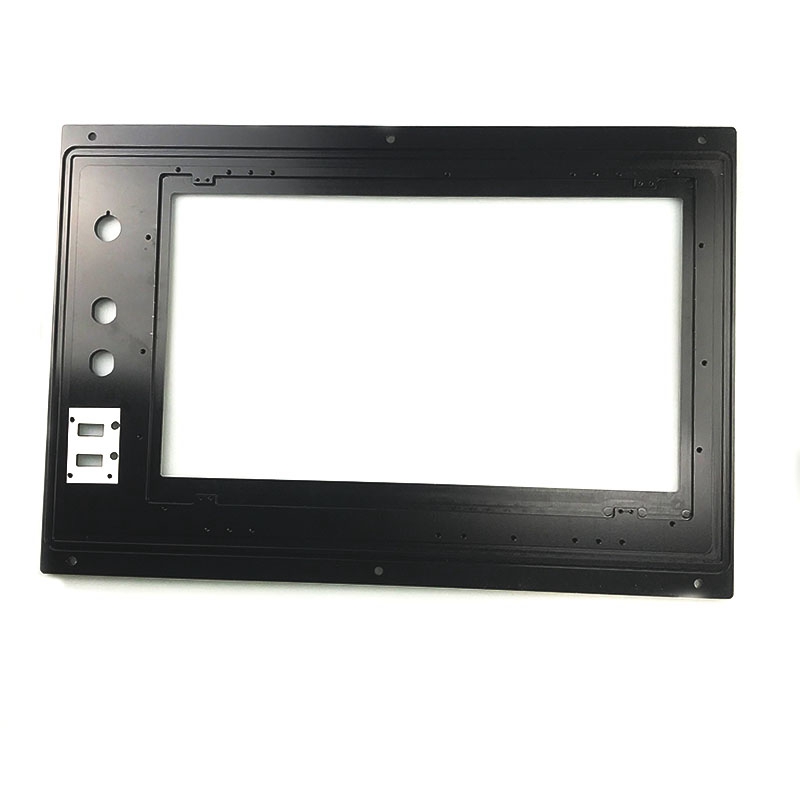
Aluminum vs Stainless Steel in Prototype Manufacturing
Introduction
In prototype manufacturing, the differences between aluminum and stainless steel directly impact how parts are produced and validated. Both materials play a vital role in rapid prototyping, and working with a professional cnc machining service ensures these differences are managed for optimal results.
Aluminum in Prototyping — Machining Speed & Surface Quality
Aluminum is favored in aluminum cnc machining for its light weight, high machinability, and superior thermal conductivity. Creating an aluminum prototype is efficient, as machining aluminum parts is faster and produces a clean, attractive surface finish. These attributes make aluminum ideal for projects that require quick iterations and rapid engineering feedback.
Stainless Steel in Prototyping — Strength & Machining Challenges
Stainless steel stands out for its strength and corrosion resistance but is notably harder to machine. Achieving a precise cnc prototype in steel demands advanced skills and careful planning. Stainless steel also tends to generate more heat during cutting, which makes maintaining tight tolerance more challenging during early prototype runs. Relying on precision cnc machining and sourcing custom metal parts from experienced providers is essential for functional and dimensional accuracy.
Complex Geometries & Multi-Axis Needs
As part geometries become more complex, the choice of material becomes even more critical. Both aluminum and stainless steel benefit from 5-axis cnc machining, but the higher hardness of steel makes multi-axis capability and custom cnc machining even more valuable. With precision cnc machining, engineers can tackle intricate features in either metal, optimizing for both design and manufacturing success.
Cost, Speed & Validation Differences
When comparing rapid prototyping costs and timelines, aluminum’s ease of machining gives it an advantage for projects with frequent iterations. However, for applications that demand strength and longevity, stainless steel justifies the added investment. Regardless of the material, a dependable cnc machining service and carefully sourced custom metal parts can accelerate validation cycles, balancing development speed and part quality.
Conclusion — Choosing Between Aluminum & Steel
Selecting between aluminum and stainless steel for rapid prototyping comes down to project requirements—whether speed, cost, or long-term durability is the priority. The support of a skilled cnc machining service, combined with the benefits of precision cnc machining and advanced aluminum cnc machining, empowers teams to achieve prototype manufacturing success in any material.
SEO关键词(Tag): rapid prototyping, cnc machining service, precision cnc machining, custom metal parts, aluminum cnc machining, aluminum prototype, cnc prototype, tight tolerance, 5-axis cnc machining, machining aluminum parts, prototype manufacturing, custom cnc machining, stainless steel prototype, aluminum vs steel, material comparison, machining challenges, surface finish, cost analysis, engineering validation, multi-axis CNC, strength testing, heat resistance, corrosion resistance, validation speed, iteration cost, dimensional accuracy, engineering materials, design optimization, functional prototype, prototype durability, CNC surface finish, iterative testing, thermal conductivity, project timeline, complex geometry, advanced manufacturing, prototype selection, high-precision CNC, industrial prototyping, mechanical testing.
READ MORE: