How to Choose the Right Metal for CNC Prototyping
Introduction
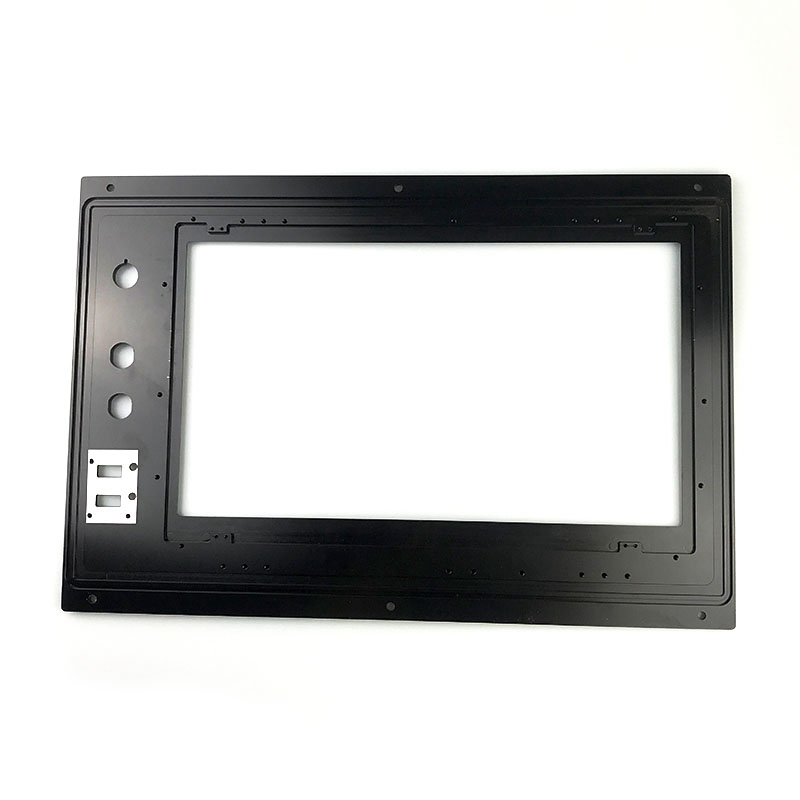
In rapid prototyping, selecting the right metal is a critical factor that determines both the performance and manufacturability of your prototype. Working with an expert cnc machining service and leveraging precision cnc machining techniques are essential for translating your design intent into high-quality, test-ready prototypes.
Factor #1 — Machinability
Aluminum is widely recognized for its superior machinability, making it the top choice for aluminum cnc machining. Machining aluminum parts is faster and more predictable than most alternatives, resulting in shorter lead times and reduced development costs. An aluminum prototype is often ideal for projects requiring fast iteration and precise feature definition.
Factor #2 — Strength & Durability
When structural integrity is a priority, the choice of material shifts towards options like steel or copper. Creating a robust cnc prototype with custom metal parts requires careful material selection and the support of precision cnc machining. Metals with higher strength provide greater durability and functional testing value for demanding engineering applications.
Factor #3 — Geometry Complexity
Complex features, undercuts, and multi-surface designs can only be realized with advanced techniques like 5-axis cnc machining and custom cnc machining. These approaches expand the range of geometries possible in rapid prototyping, allowing engineers to validate more innovative and challenging concepts.
Factor #4 — Tolerance / Surface Quality / Validation
Tight tolerance requirements are common in high-precision prototypes, especially for moving parts or assemblies. Choosing the right cnc machining service ensures that custom metal parts meet exact dimensional criteria and desired surface finishes. This, in turn, supports reliable testing and consistent performance throughout the product development cycle.
Conclusion — Balancing All Factors for the Best Material Choice
In summary, rapid prototyping success relies on making informed choices about materials, machining processes, and project requirements. By leveraging cnc machining service expertise, adopting precision cnc machining, and considering advanced aluminum cnc machining, you can optimize both cost and quality for prototype manufacturing. The best results come from balancing machinability, strength, complexity, and tolerance in every decision.
SEO关键词(Tag): rapid prototyping, cnc machining service, precision cnc machining, custom metal parts, aluminum cnc machining, aluminum prototype, cnc prototype, tight tolerance, 5-axis cnc machining, machining aluminum parts, prototype manufacturing, custom cnc machining, steel prototype, material selection, strength testing, design validation, engineering materials, manufacturing efficiency, tolerance control, iterative development, high precision machining, advanced prototyping, component testing, process optimization, feature accuracy, product iteration, copper machining, surface finish, multi-axis CNC, industrial prototyping, complex geometry, engineering design, prototype assembly, functional prototype, CNC development, manufacturing strategy, production scalability, testing workflow, mechanical performance, metal fabrication.
READ MORE: