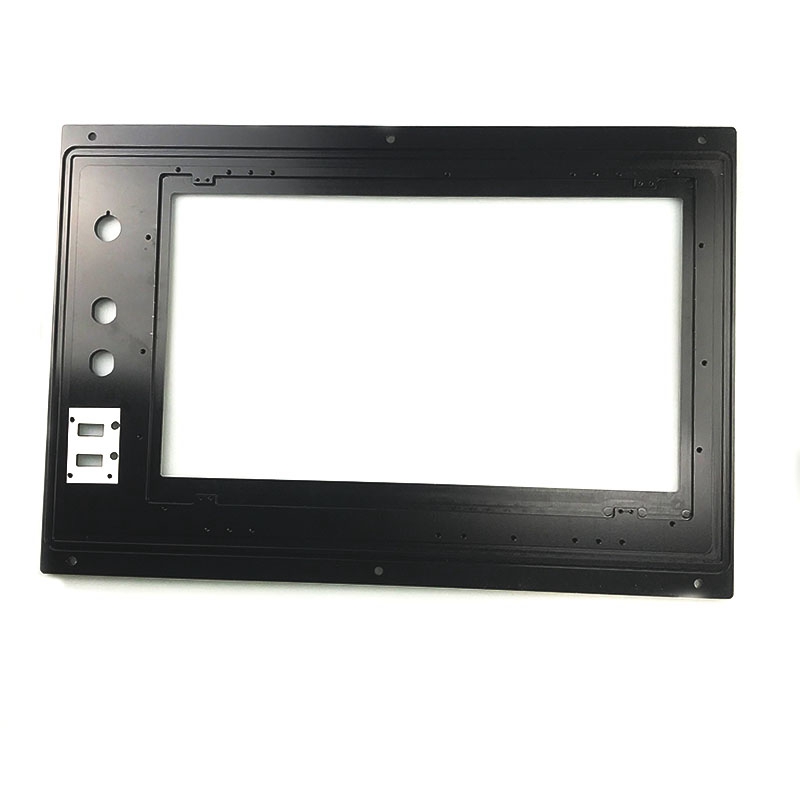
Avoiding Chatter and Burrs in Aluminum CNC Prototyping
Introduction — Why Chatter and Burrs Are Common in Aluminum Prototyping
In aluminum cnc machining for rapid prototyping, issues like chatter and burrs are frequent challenges due to aluminum’s relatively soft nature and the high cutting speeds used. Effective cnc machining service must address these issues to maintain both surface quality and dimensional accuracy.
Cause #1 — Tooling and Parameter Selection
The selection of tools and cutting parameters plays a decisive role in machining aluminum parts. Using improper speeds, feeds, or tool geometry can introduce unwanted vibrations, leading to chatter. Advanced precision cnc machining minimizes these risks, allowing the production of clean, high-quality aluminum prototype components by tailoring tool choice and cutting strategies.
Cause #2 — Workpiece Support and Clamping
Unstable clamping or inadequate support is a major contributor to vibration and burr formation, especially in custom cnc machining. Thin walls, overhanging features, or one-sided clamping create opportunities for part movement. Ensuring that the cnc prototype and custom metal parts are securely held during machining is critical for achieving accurate and burr-free results.
Cause #3 — Multi-Sided Machining and Complex Geometry
Complex geometries and multi-face machining can increase instability, especially when frequent repositioning is required. Utilizing 5-axis cnc machining not only allows for fewer setups but also reduces the risk of introducing additional vibrations. Paired with precision cnc machining and iterative rapid prototyping, 5-axis methods enhance surface integrity while limiting burr formation.
Solution Layer — Techniques for Burr Reduction and Edge Quality
To achieve tight tolerance and high-quality edge finish, secondary operations are often necessary. Leading cnc machining service providers apply methods such as reverse milling, secondary finishing, and strategic deburring to remove or minimize burrs. Chamfering and optimizing tool paths are also effective, especially when producing complex custom metal parts.
Conclusion — Integrating Tooling, Equipment, and Material Knowledge
Solving chatter and burr issues in aluminum cnc machining requires an integrated approach—combining the right tools, equipment capabilities, and a deep understanding of material properties. Consistent rapid prototyping, reliable cnc machining service, and top-tier precision cnc machining are essential for flawless prototype manufacturing and superior aluminum part quality.
Strongly Associated SEO Keywords (for internal linking):
rapid prototyping
aluminum cnc machining
cnc machining service
precision cnc machining
custom metal parts
aluminum prototype
cnc prototype
tight tolerance
5-axis cnc machining
machining aluminum parts
prototype manufacturing
custom cnc machining
cnc rapid prototyping
low volume cnc machining
aluminum part design
prototype validation
cnc machining quality
cost-effective prototyping
cnc prototyping benefits
high precision cnc machining
aluminum surface finishing
advanced prototype manufacturing
product development
design for manufacturability
functional prototype
cnc manufacturing process
engineering prototype
prototype testing
dimensional accuracy
iterative prototyping
quick-turn prototyping
manufacturing lead time
surface treatment options
heat dissipation parts
complex geometry machining
structural prototype
assembly validation
high tolerance prototype
rapid prototype machining
CNC design optimization
READ MORE: