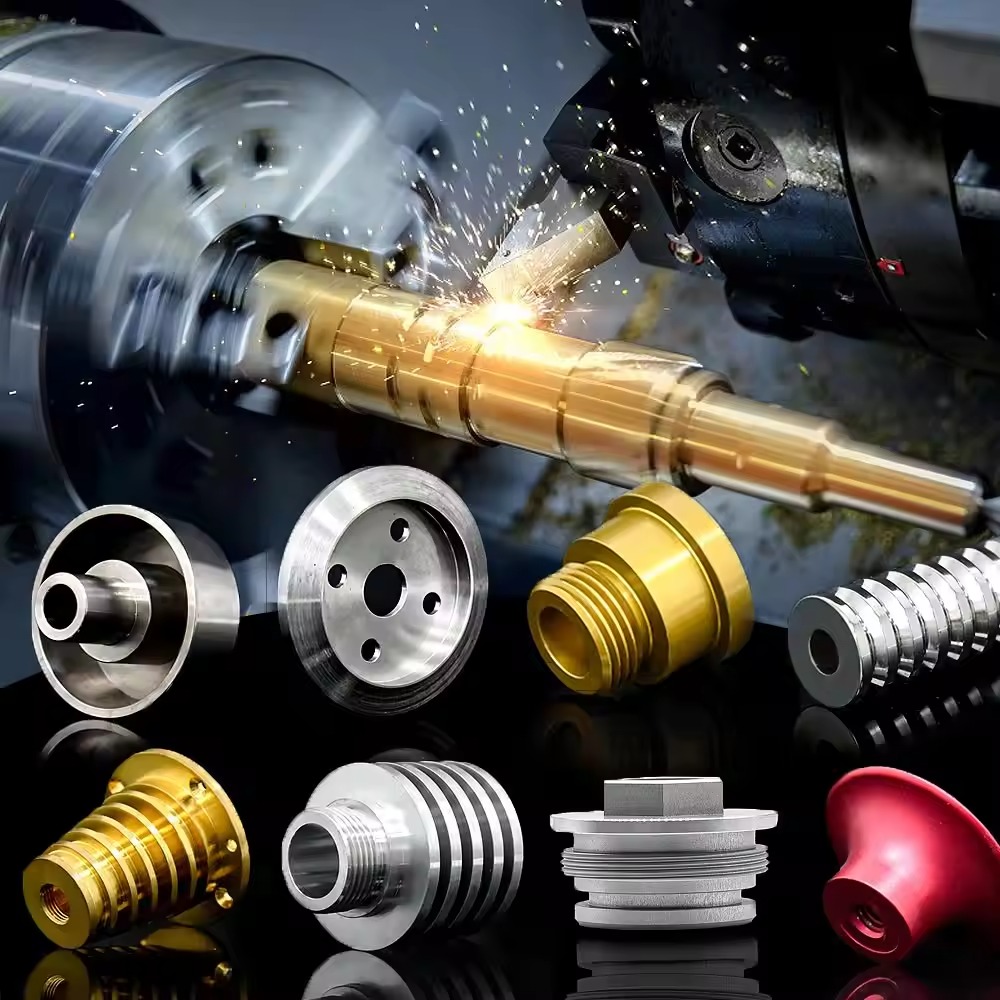
How to Reduce CNC Machining Cost for Prototypes
Introduction — Why Prototype Costs Are Often Higher Than Expected?
When it comes to rapid prototyping, many engineers are surprised by the high costs of prototype parts. Factors such as material selection, tool paths, wall thickness, fixturing, complex geometries, and excessive tolerances can all drive up the price. Utilizing a professional cnc machining service is essential, but understanding how these factors impact precision cnc machining will help you manage expenses and improve project outcomes.
Cost Factor #1 — Material Selection and Machinability (Aluminum Offers Best Value)
Among all available options, aluminum cnc machining stands out for its efficiency and cost-effectiveness. Machining aluminum parts is faster and leads to lower tool wear, resulting in significantly reduced costs compared to other materials. If your design allows, consider switching to an aluminum prototype for maximum value without compromising performance.
Cost Factor #2 — Design Complexity Drives Machining Time
Features like deep cavities, undercuts, and complex curves dramatically increase production time and costs. When working with custom metal parts, keep designs as simple as possible. Choosing straightforward features for your cnc prototype makes it easier for custom cnc machining suppliers to deliver high-quality parts at a reasonable price.
Cost Factor #3 — Multi-Setup vs. Multi-Axis Machining (Reduce Errors and Lead Time)
Traditional CNC machining often requires multiple setups, which not only increase processing time but also the risk of human error. By leveraging 5-axis cnc machining, you can minimize the need to flip or re-fixture your part. This method shortens the overall cycle, boosts consistency, and is especially beneficial for rapid prototyping and precision cnc machining applications.
Cost Factor #4 — Tolerance Demands Greatly Influence Costs
Tight tolerance requirements are a major driver of prototype costs. Achieving tight tolerance means slower machining speeds, more inspections, and more complex tool paths. When possible, consult your cnc machining service to see if some dimensions can be loosened without affecting functionality. For custom metal parts, reserve strict tolerances only for features that truly need them.
Conclusion — Only Design and Process Optimization Can Truly Lower Prototype Costs
Ultimately, reducing rapid prototyping expenses requires a holistic approach—from thoughtful design to choosing the right materials and processes. Leverage precision cnc machining for critical features and utilize aluminum cnc machining wherever possible. Work closely with your cnc machining service provider to explore cost-saving options. Adopting an efficient prototype manufacturing strategy is the surest way to balance quality and budget for your next project.
READ MORE: