The quality of your 3D files directly affects CNC machining outcomes. This article explains how proper file preparation—from model inspection to technical notes—helps engineers reduce errors, speed up rapid prototyping, and achieve superior results with precision cnc machining. Master these engineering steps to minimize risk, cost, and production delays.
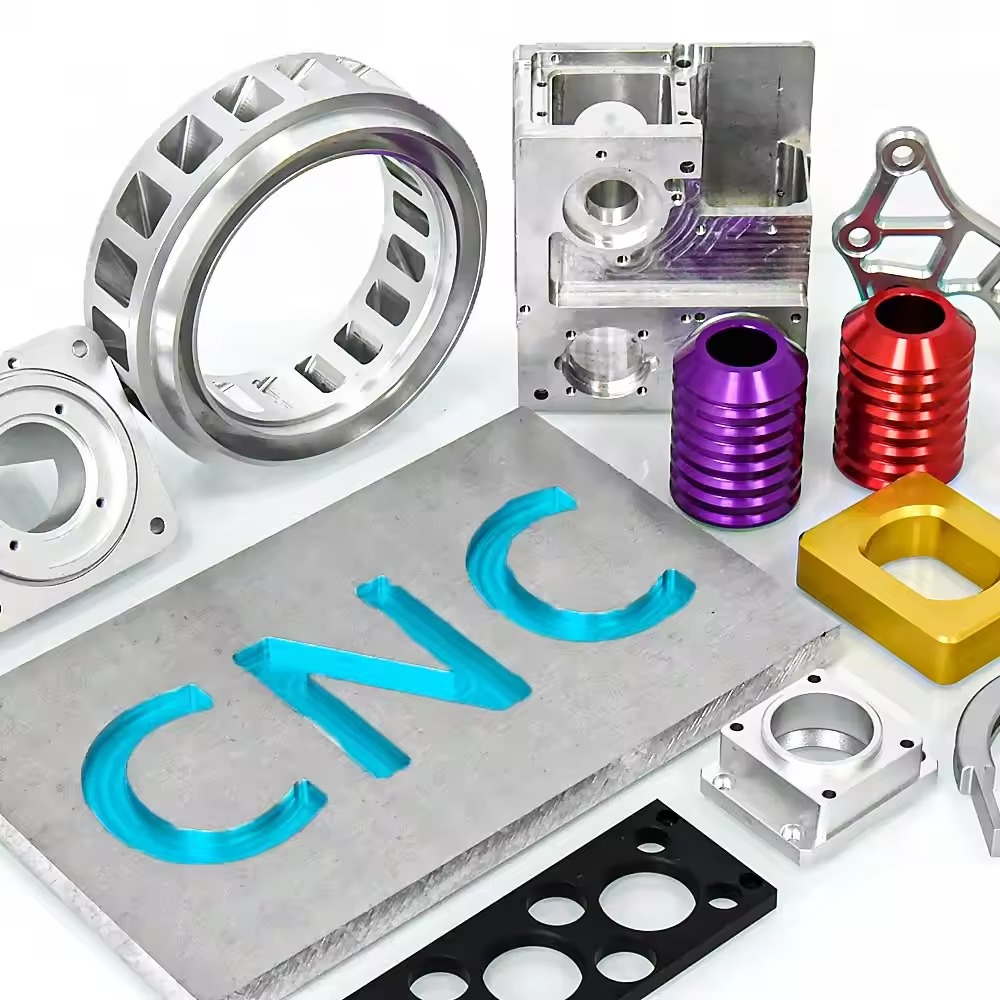
How to Prepare 3D Files for CNC Machining
Introduction — The Quality of File Preparation Determines CNC Machining Quality
A clean, well-prepared file is the foundation for any successful cnc machining service. In rapid prototyping, discovering issues early in your 3D files can dramatically lower project costs and minimize risk. By following a precise workflow, you ensure better outcomes in precision cnc machining.
Step #1 — Model Check: Wall Thickness, Chamfers, Deep Cavities
Check your 3D model for common “unmachinable” design errors such as too-thin walls, missing chamfers, or overly deep pockets. For machining aluminum parts, improper design often leads to failures. Ensure that your aluminum prototype and custom metal parts are manufacturable before proceeding.
Step #2 — Material Choice and Machinability (Reflecting Real Engineering Structure)
Your model should reflect the specific material’s properties. For aluminum cnc machining, include realistic features like cooling fins, ribs, and bosses. If you’re planning a cnc prototype or working with a custom cnc machining provider, accurate geometry ensures a smoother process.
Step #3 — Clearly Defined Datums and Reference Points (Multi-Axis Preparation)
Setting precise reference surfaces and datums reduces fixturing confusion and boosts machining consistency. Utilizing 5-axis cnc machining relies heavily on clear datum definition. Proper planning here is vital for both precision cnc machining and efficient rapid prototyping.
Step #4 — Tolerance Notation, Assembly Needs, Technical Notes
Your file must include all essential information: critical surfaces, key dimensions, tolerance chains, and assembly fit notes. For parts with tight tolerance requirements, make sure your cnc machining service knows which surfaces matter most. This is crucial for any custom metal parts project.
Conclusion — High-Quality 3D Files Are the First Step to Precision CNC Machining
Ultimately, rapid prototyping success starts with rigorous file preparation. Use best practices for aluminum cnc machining, carefully review technical documentation, and collaborate with your machining team. With well-prepared files, you set the stage for reliable precision cnc machining, cost savings, and smoother prototype manufacturing.
READ MORE: